Why Decayed Tree Trunks Collapse Without Clear Warning
A tree can have green leaves and an apparently healthy canopy while its trunk is losing structural strength. Internal decay often develops behind intact bark, making serious defects difficult to recognise from the ground. For Wollongong property owners, understanding this hidden damage helps explain why a tree may fail suddenly, particularly during strong winds or heavy rain.
How Decay Weakens a Tree From Within
Wood-decay fungi can enter through damaged roots, broken branches, pruning wounds and other injuries. As fungi break down wood, they reduce its ability to resist bending, compression and twisting. A trunk may develop cavities or weakened areas while its outer living tissues continue transporting water and nutrients.
A leafy canopy does not prove a trunk is structurally sound. Trees can maintain growth around internal defects for years. However, the remaining sound wood may eventually become unable to support the weight and movement of the tree.
Why Failure Can Seem Sudden
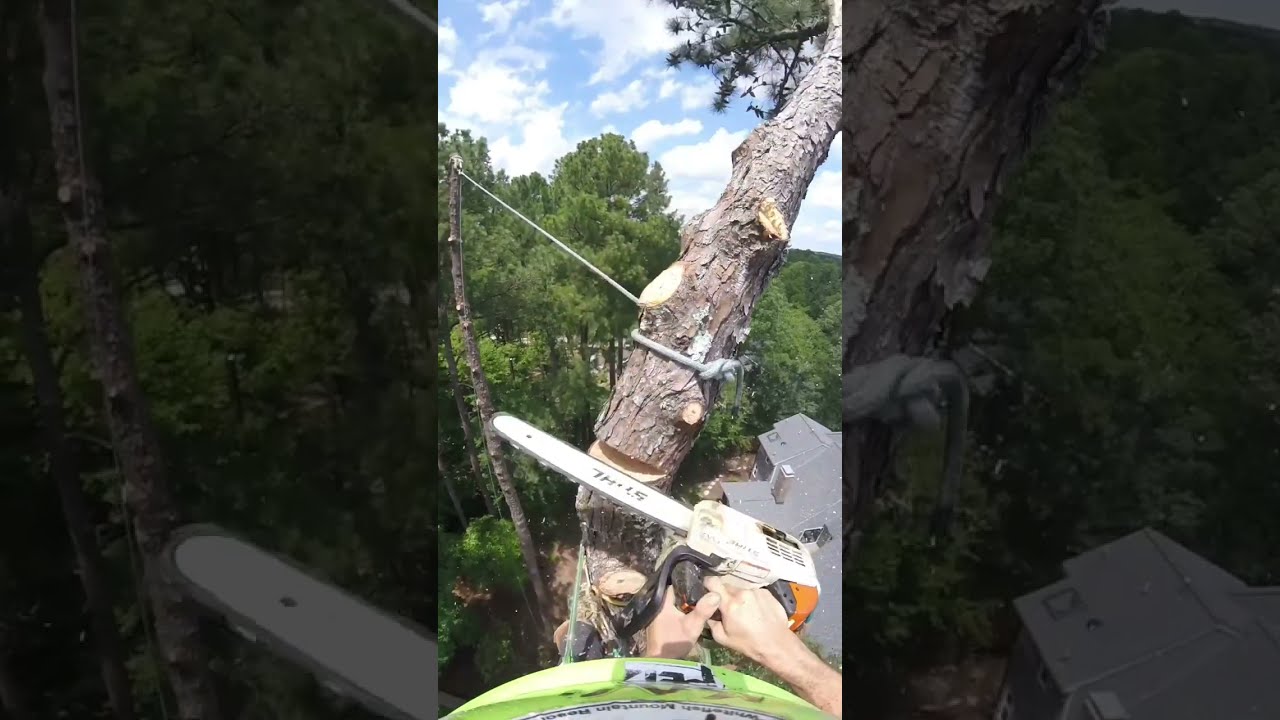
Decay usually progresses gradually, but structural failure occurs when a load exceeds the remaining wood’s strength. A gust of wind, movement of a heavy crown or an existing crack extending through weakened wood can trigger collapse. Severely compromised trunks can also fail in relatively calm conditions.
A hollow trunk is not automatically unsafe, and a solid-looking trunk is not automatically safe. Risk depends on the extent and position of decay, cracks, tree shape, loading and what could be struck if the tree fails. There is no reliable visual rule that homeowners can use to declare a decayed tree safe.
Warning Signs Worth Checking
Some defects remain concealed, but these changes warrant professional assessment:
- Fungal brackets or mushrooms growing from the trunk or around its base.
- Cavities, splitting bark, open wounds or visible soft, crumbly wood.
- New cracks, a changing lean or movement around the root plate.
- Dead sections of the crown, broken limbs or an unusual increase in branch shedding.
- Recent excavation, vehicle impacts or construction damage near the trunk and roots.
These signs do not confirm imminent collapse, and their absence does not rule out decay. Avoid climbing the tree, probing cavities or removing bark to investigate.
What Wollongong Conditions Mean for Tree Safety
Coastal winds and storm exposure can increase loading on trees across Wollongong. Prolonged rainfall can also saturate soil and reduce root anchorage, creating a separate risk of uprooting. Properties near bushland, exposed slopes and the escarpment benefit from assessments that consider local terrain and wind exposure rather than the trunk alone.
What to Do if You Suspect Internal Decay
Keep people, pets and vehicles away from the potential fall area. Arrange an inspection by a suitably qualified arborist, preferably an AQF Level 5 consulting arborist for a detailed risk assessment. Where justified, they may recommend specialised testing, such as sonic tomography or resistance drilling, to investigate concealed defects. Testing supports professional judgement; it cannot guarantee that a tree will never fail.
Before pruning or removal, check current Wollongong City Council requirements, as approval may be necessary. If a tree appears unstable, do not approach it to investigate. For an immediate threat to life, call https://treeremovalwollongong.com.au/ 000; for storm-related emergency assistance, contact the NSW SES on 132 500.
Wollongong Tree Removal Pros
106 Gipps St, Wollongong NSW 2500
(02) 4210 5945